In advanced manufacturing, precision has become one of the most important elements behind consistent quality, reliable performance, and efficient production. Every stage of manufacturing requires careful attention to measurements, materials, processes, and finishing standards. In this environment, Michael Wiese represents a professional perspective that highlights how precision can support better results in specialized manufacturing and engineering applications. His approach can be understood through the importance of accuracy, planning, craftsmanship, and continuous improvement.
What’s Covered
- The Importance of Precision
- Engineering and Careful Planning
- Technology and Consistency
- Quality and Continuous Improvement
- The Human Side of Precision
- Future Perspectives
- Conclusion
The Importance of Precision
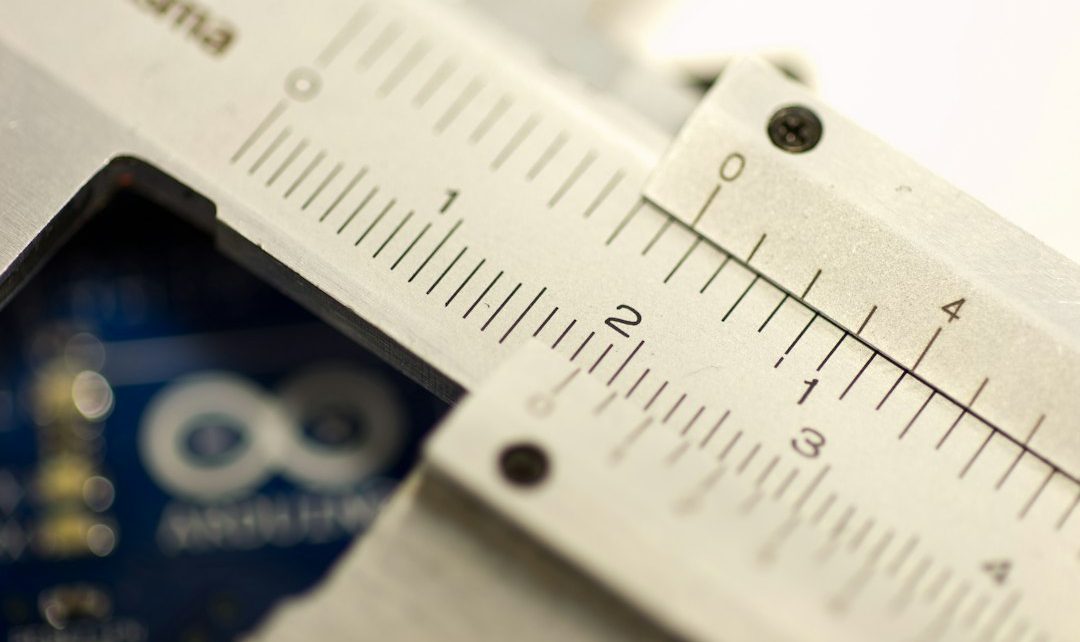
Precision begins with understanding that even small variations can influence the final performance of a manufactured component. Measurements must be accurate, materials must meet expected specifications, and production steps must follow carefully established procedures. When these elements work together, manufacturers can create products that demonstrate consistency and durability.
Modern manufacturing also requires precision because components often need to work together within very specific tolerances. A small difference in size, shape, or alignment can affect an entire assembly. For this reason, precision is not simply a final inspection process. It is an important principle that should be considered throughout production.
Engineering and Careful Planning
Advanced manufacturing depends heavily on engineering knowledge and detailed planning. Before production begins, designers and engineers must consider dimensions, material characteristics, operating conditions, and expected performance. These factors help establish the standards that guide manufacturing activities.
A strong planning process can also reduce unnecessary material use and minimize production errors. By identifying possible challenges before work begins, manufacturers can improve efficiency while maintaining high standards. This combination of planning and technical understanding creates a foundation for dependable manufacturing.
Technology and Consistency
Technology has changed the way manufacturers approach precision. Modern equipment can perform detailed measurements, repeat complex operations, and identify variations that may not be visible through ordinary inspection. Such capabilities allow production teams to maintain greater consistency across repeated manufacturing cycles.
However, technology alone does not guarantee quality. Skilled professionals remain essential because equipment must be properly selected, configured, monitored, and maintained. Human judgment helps interpret measurements and determine how processes should be improved. The relationship between advanced technology and professional expertise therefore remains central to manufacturing success.
Quality and Continuous Improvement
Precision is also closely connected with quality control. Manufacturing teams can establish inspection procedures that compare finished components with defined specifications. These checks help identify deviations and provide information that can be used to improve future production.
For Michael Wiese, the broader significance of precision can be viewed through this continuous improvement mindset. Rather than treating manufacturing quality as a single objective achieved at the end of production, precision encourages professionals to evaluate every stage of their work. Improvements in preparation, machining, inspection, material handling, and finishing can collectively strengthen the final outcome.
The Human Side of Precision
Although advanced manufacturing increasingly relies on sophisticated equipment, people remain at the center of the process. Experienced professionals understand how materials respond to different conditions, recognize potential problems, and make informed decisions when unexpected situations occur.
Attention to detail is particularly important in specialized manufacturing. Workers must remain consistent while following technical requirements and safety procedures. Their ability to combine practical experience with technical knowledge can make a significant difference in maintaining dependable production standards.
Future Perspectives
As manufacturing continues to develop, precision is likely to remain a defining principle. New production methods, improved measurement systems, and increasingly sophisticated engineering processes will create opportunities for greater accuracy and efficiency. At the same time, manufacturers will need professionals who can understand these technologies and apply them responsibly.
The future of advanced manufacturing will therefore depend on balancing innovation with careful workmanship. Precision provides the connection between these two areas, helping manufacturers pursue better performance without losing attention to detail.
Conclusion
Precision is more than a technical requirement in advanced manufacturing; it is a way of approaching production with discipline, accuracy, and consistency. From engineering and planning to inspection and improvement, every stage can benefit from careful attention to detail. By emphasizing these principles, Michael Wiese reflects the broader importance of precision in creating dependable manufacturing outcomes. As manufacturing evolves, this commitment to accuracy will continue to support innovation, quality, and long-term professional excellence.
The Short Version
- Precision is crucial in advanced manufacturing, affecting quality, performance, and production efficiency.
- Accurate measurements, appropriate materials, and established procedures are necessary for manufacturing consistency and durability.
- Advanced manufacturing relies on thorough engineering knowledge and planning to mitigate challenges and enhance efficiency.
- Modern technology enhances precision by allowing detailed measurements and consistent operations, yet skilled professionals are vital for effective equipment management.
- Quality control procedures linked to precision enable manufacturing teams to identify deviations and foster continuous improvement.
- Human expertise is essential in navigating advanced manufacturing processes, as experienced professionals can interpret technical requirements and make informed decisions.