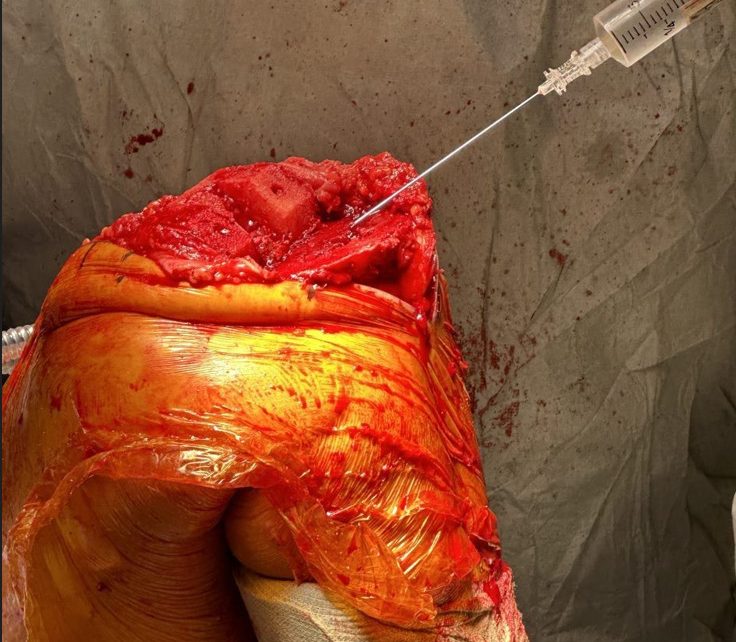
Modern surgical care increasingly recognizes that effective pain management involves more than controlling discomfort after an operation. Multimodal pain relief combines complementary approaches that address pain through different pathways, helping clinicians create a more balanced perioperative strategy. In this evolving field, Austin Harris MD represents a professional perspective centered on thoughtful pain assessment, coordinated treatment, and the responsible use of available medical techniques. Rather than relying on a single intervention, contemporary approaches consider the procedure, patient characteristics, expected recovery, and potential medication-related concerns before developing an individualized plan.
What’s Covered
- What Is Multimodal Pain Relief?
- Why Is Pain Assessment Important?
- How Are Medication Strategies Evolving?
- What Role Does Regional Anesthesia Play?
- Why Does Recovery Planning Matter?
- How Is Technology Supporting Modern Pain Care?
- What Does the Future of Multimodal Pain Management Look Like?
What Is Multimodal Pain Relief?
Multimodal pain relief refers to the coordinated use of different pain-management methods. These may include medications with distinct mechanisms, regional anesthesia techniques, local treatments, physical strategies, and supportive measures. The underlying principle is straightforward: when several appropriate approaches work together, clinicians may be able to address different components of the pain experience.
This model also encourages more careful treatment planning. Surgical pain can vary according to the type of procedure, tissue involvement, recovery stage, and individual response. A structured approach therefore begins before surgery and continues through the immediate recovery period.
Why Is Pain Assessment Important?
Pain is not identical for every patient. Two individuals undergoing similar procedures may describe very different experiences because of differences in previous medical history, sensitivity, anxiety, mobility, medication exposure, and recovery needs. This makes individualized assessment an important part of multimodal care.
A useful assessment considers both pain intensity and functional impact. Clinicians may evaluate whether discomfort interferes with movement, breathing, sleep, rehabilitation, or daily activities. These observations can provide a more complete picture than a single pain score.
How Are Medication Strategies Evolving?
Modern perioperative pain care increasingly emphasizes medication selection based on clinical circumstances. Different classes of medicines can target separate pain pathways, while careful scheduling can help maintain consistent symptom control during recovery.
The goal is not simply to add treatments. Instead, clinicians consider whether each therapy has a clear purpose, whether its effects complement other interventions, and whether potential adverse effects can be minimized. This approach supports more deliberate prescribing and encourages ongoing reassessment rather than automatic continuation.
What Role Does Regional Anesthesia Play?
Regional techniques can provide targeted pain relief by affecting specific nerves or areas associated with a surgical procedure. Depending on the operation and patient factors, these techniques may be incorporated into a broader perioperative plan.
Their value lies in targeted treatment. Rather than approaching pain only through systemic medication, clinicians can sometimes address discomfort closer to its source. Careful patient selection, technical expertise, monitoring, and appropriate follow-up remain essential.
Why Does Recovery Planning Matter?
Pain management should support recovery rather than exist separately from it. Excessive discomfort can make movement and rehabilitation more difficult, while medication-related effects may also influence alertness, nausea, or other aspects of postoperative experience.
A balanced plan therefore considers functional goals alongside symptom relief. Early mobility, appropriate physical activity, clear instructions, hydration, rest, and communication with the care team can all contribute to a more coordinated recovery process.
How Is Technology Supporting Modern Pain Care?
Clinical technology continues to influence pain assessment and perioperative decision-making. Electronic records can help teams review medication histories, procedural details, allergies, and previous responses to treatment. Monitoring systems can also support safer observation during recovery.
Innovation is most valuable when technology strengthens clinical judgment. Digital tools should assist professionals in recognizing patterns and making informed decisions rather than replacing individualized evaluation.
What Does the Future of Multimodal Pain Management Look Like?
The direction of surgical pain management is increasingly focused on personalization, coordination, and evidence-informed decision-making. Austin Harris MD reflects the broader professional emphasis on integrating multiple strategies while keeping patient needs at the center of care. Future developments are likely to continue exploring targeted techniques, improved assessment methods, and recovery-focused treatment plans.
Ultimately, effective perioperative pain management is not defined by one medication or procedure. It is a coordinated process that begins with careful assessment, uses appropriate interventions, and evolves according to the patient’s response. As surgical care continues to advance, Austin Harris MD highlights the importance of a thoughtful multimodal philosophy in supporting safer, more responsive, and more patient-centered recovery.